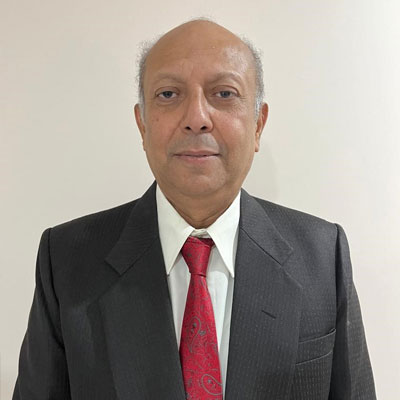
Jason Hartley is lecturer in criminology at Griffith University in Brisbane, Australia. He is a former police officer with 23 years of experience, and has trained personnel for deployment in Timor Leste, the Solomon Islands, Iraq and Afghanistan. Jason specializes in, and has published on engagement with Muslim communities, Indigenous Polynesian approaches to rehabilitation and reducing recidivism, and Asian Organised Crime. Jason also completed a community internship in Hebron on the West Bank.
MGL534 Project Management
This unit provides advanced understanding of key project management principles and theories for realising strategic change objectives and outcomes. Students will apply project management concepts to analyse situations and identifying future challenges and opportunities in sustainable business practice. It explores fundamental concepts of project management, exploring key areas such as project initiation, planning, execution, monitoring and control, and project closure. Student will appreciate some key factors on project success such as, cultural competence, value creation for stakeholders and teamwork.
RELEVANT COURSES
- Master of Business Administration*
- Master of Counterterrorism Leadership
- Master of Police Leadership
- Graduate Diploma of Business Administration*
- Graduate Diploma of Counterterrorism Leadership
- Graduate Diploma of Police Leadership
- Graduate Certificate in Leadership (Cybersecurity)
*Core
CREDIT POINTS
10
STUDY MODES
On campus, online, hybrid
PREREQUISITE OR CO-REQUISITE
MGL401 IT, Decision Making, and Governance
UNIT LEARNING OUTCOMES
- Demonstrate advanced understanding of key project management theories, principles, and standards.
- Critically appraise leadership, collaboration, and team-based skills within a project environment.
- Critically evaluate strategies used to integrate ethical and sustainable project management practices.
- Explain how stakeholder engagement and management influence projects and strategic initiatives.
- Communicate to justify and interpret methodologies, conclusions and professional decisions to specialist and non-specialist audiences.
CONTENT
- Project leadership and project management team
- Frameworks, life cycles, governance, and quality assurance
- Project management strategy, practices, tools, and business acumen
- Ethics and sustainability
- Change, globalisation, competition, and complexity
- Digital disruption and transformation
- Generative artificial intelligence and machine learning in project management
ASSESSMENT METHODS
- Reading Reflections – 20%
- Project – 50%
- Project Pitch – 30%
PRESCRIBED READINGS
Nil